Step off the beaten path and discover the rich traditions and breathtaking landscapes of the Berber villages nestled in the Atlas Mountains, just a day trip from the bustling city of Marrakech. For travellers searching for Berber villages Atlas Marrakech, this journey offers far more than a scenic escape: it is a respectful encounter with mountain communities whose language, crafts, food and hospitality remain deeply rooted in daily life.
The contrast is immediate. One moment you are leaving the lively streets, gardens and souks of Marrakech; the next, the road begins to rise toward valleys, terraced fields and ochre villages clinging to the slopes. The Atlas Mountains reveal a quieter Morocco, shaped by seasonal rhythms, family traditions and spectacular natural beauty.
Discover the Berber Villages Atlas Marrakech Route
Best Routes from Marrakech
Most visitors reach the High Atlas by road from Marrakech, with the journey usually taking between one and two hours depending on the chosen valley and stops along the way. The Ourika Valley is one of the easiest routes for a first introduction, especially if you want a mix of riverside landscapes, local markets and mountain views. The route toward Imlil is another classic option, leading deeper into the foothills of Mount Toubkal, North Africa’s highest peak.
You can travel by private driver, organized excursion or rental car, although mountain roads are easier with someone who knows the area. Guided day trips are widely available and often include village walks, lunch in a family guesthouse and time to meet local artisans. For a more personal experience, choose a small-group or private tour that allows time for conversation rather than simply taking photos.
Scenic Views along the Journey
The road itself is part of the experience. Expect palm groves giving way to olive trees, then walnut, apple and cherry orchards as the altitude rises. Traditional mud-brick houses blend into the mountainsides, while mule paths connect hamlets across the valleys. In spring, wildflowers brighten the terraces; in winter, snow may crown the peaks above sunlit villages.
Look out for weekly souks, where people from surrounding villages gather to buy spices, vegetables, tools and textiles. These markets are not staged attractions: they are practical social hubs and a window into rural life.
Cultural Insights into Berber Life
Understanding Berber Traditions and Customs
The Berber, or Amazigh, communities are among the oldest cultures in North Africa. Over 60% of Morocco’s population identifies as Berber, which shows how central Amazigh heritage is to the country’s identity. In the Atlas, many families still speak Tamazight at home, preserve oral histories and celebrate music, dance and seasonal festivals recognized as part of Morocco’s rich cultural heritage.
Hospitality is one of the strongest values you will encounter. A glass of mint tea is more than a refreshment; it is a gesture of welcome. If you are invited into a home, accept with gratitude, remove your shoes if requested and follow your host’s lead. Life in the villages is often modest, but the sense of generosity can be remarkable.
Cuisine and Handicrafts: A Taste of Berber Culture
Food is one of the most memorable parts of visiting the Atlas. A traditional lunch may include freshly baked bread, olives, seasonal salads and a slow-cooked tagine with vegetables, chicken or lamb. Couscous is often served on Fridays, while walnuts, honey and mountain herbs appear in simple but flavorful dishes.
Handicrafts also tell stories. Women’s cooperatives produce rugs, woven textiles and argan-based products, while local artisans may work with wood, pottery or leather. Buying directly from cooperatives can support families and help preserve skills passed down through generations. If you bargain, do so politely and remember that handmade work takes time.
Top Berber Villages to Visit from Marrakech
Imlil: Gateway to Mount Toubkal
Imlil is one of the best-known villages for travellers heading into the High Atlas. Set at around 1,740 meters, it is the starting point for treks toward Mount Toubkal, but it is also rewarding for a day visit. Stone houses, walnut trees and mountain trails make it ideal for gentle walks, panoramic viewpoints and lunch on a terrace overlooking the valley.
Even if you are not hiking to the summit, Imlil offers a strong sense of mountain life. Local guides can take you along safe paths, explain the landscape and introduce the role of agriculture, mule transport and seasonal tourism in the village economy.
Aroumd: A Village at the Foot of the Mountains
Above Imlil, Aroumd is a striking village built on a rocky slope with views toward the surrounding peaks. It feels more remote, especially when reached on foot. The walk from Imlil is manageable for many visitors, but sturdy shoes are recommended. Along the way, you may pass terraced fields, irrigation channels and families going about their daily routines.
Aroumd is a good place to slow down. Instead of rushing from viewpoint to viewpoint, take time to observe how homes are arranged, how paths connect the village and how the mountains shape every aspect of life. This is where the Atlas feels both grand and intimate.
Practical Tips for Visiting Berber Villages
Respecting Local Customs
Respect is essential. Dress modestly, especially in rural areas: shoulders and knees are best covered. Always ask before photographing people, particularly women and children. A smile and a few words of greeting go a long way. “Salam alaikum” is widely understood, and learning a simple Amazigh greeting can be appreciated.
Do not treat homes, farms or religious places as open attractions. Stay on paths, listen to your guide and avoid leaving litter. If you are offered tea or food, it is polite to accept at least a small amount unless you have a clear reason not to.
When to Visit the Berber Villages
Spring and autumn are often the best seasons for comfortable temperatures, clear views and pleasant walking conditions. Summer can be hot in lower valleys, though higher villages remain cooler than Marrakech. Winter brings crisp air and dramatic snowy peaks, but some routes may require extra planning.
Common questions are easy to answer with the right preparation. How do I get from Marrakech to the Atlas Mountains? The most convenient way is by private driver or guided tour, though rental cars are possible for confident drivers. What can I expect to see in a Berber village? Expect traditional architecture, terraced agriculture, mountain scenery, local food and everyday community life. Are there guided tours available? Yes, and a knowledgeable local guide can make the visit more meaningful, safer and more respectful.
A journey to the Atlas is not only about landscapes; it is about understanding a living culture with patience and humility. The most authentic moments often happen between the planned stops: a shared tea, a conversation with a guide, the sound of music during a celebration or the sight of children walking home along a mountain path.
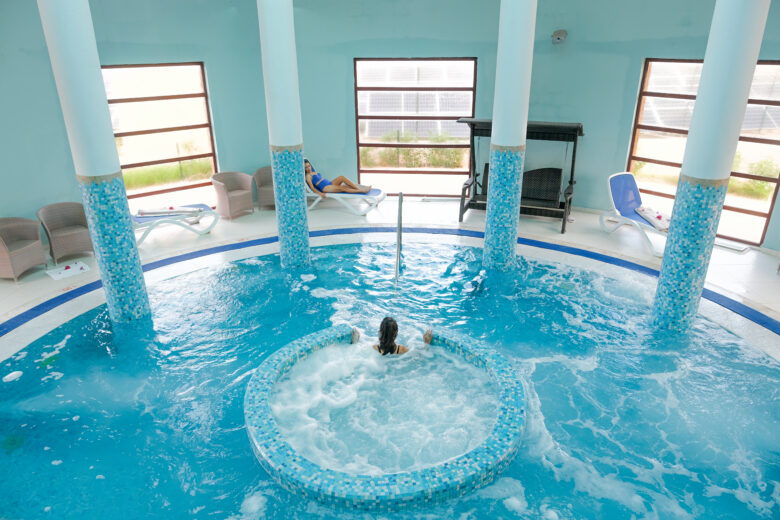
Ready for an all-inclusive escape in the Palmeraie of Marrakech? Book now on Valeria Madina Club Resort all-inclusive and enjoy a relaxing stay with entertainment, comfort and sunshine for the whole family.