Imagine stepping into a world where ancient traditions meet modern allure. If you plan to visit Marrakech for the first time, the city’s must-see places offer an unforgettable introduction to Morocco: lively souks, tiled courtyards, royal monuments, palm-lined avenues and gardens glowing in cobalt blue. Whether you are arriving from France, the UK or another Moroccan city, Marrakech is easy to love because every district tells a story.
For first-time visitors, the top attractions include the Medina, Jemaa el-Fnaa, the Koutoubia Mosque, Jardin Majorelle, the Saadian Tombs, Bahia Palace and El Badi Palace. Together, they reveal the culture, craftsmanship and history that make the Red City one of North Africa’s most magnetic destinations.
Visit Marrakech and Discover Its Iconic Medina
The Medina is the historic heart of the city and a UNESCO World Heritage Site, celebrated for its maze-like lanes, traditional markets and architectural treasures. It is not a museum; it is a living neighborhood where artisans work, families shop, spices perfume the air and motorbikes weave past donkey carts.
Wander through the Bustling Souks
The souks are among the best places to experience Marrakech culture up close. Start near Jemaa el-Fnaa and follow the covered alleys into markets dedicated to leather, lanterns, carpets, ceramics, slippers and metalwork. Bargaining is part of the ritual, but it should feel friendly rather than rushed. Take your time, compare quality and enjoy the conversations with shopkeepers.
To make the most of the Medina, visit early in the morning for a calmer atmosphere or later in the afternoon when the light warms the ochre walls. Keep small cash for purchases, wear comfortable shoes and do not be afraid to pause for mint tea on a rooftop terrace.
Historic Significance of the Koutoubia Mosque
The Koutoubia Mosque is Marrakech’s most recognizable landmark. Its minaret, rising above gardens and city walls, has guided travelers for centuries and influenced later Islamic architecture in Morocco and Spain. Non-Muslims cannot enter the prayer hall, but the exterior is impressive from several viewpoints, especially at sunset.
Nearby Jemaa el-Fnaa comes alive as evening falls. Food stalls, storytellers, musicians and fresh orange juice stands transform the square into a cultural stage. For many visitors, this is the moment when Marrakech feels most theatrical and alive.
Experience the Serenity of Jardin Majorelle
After the energy of the Medina, Jardin Majorelle offers a calm and colorful escape. This botanical garden attracts over 900,000 visitors annually, a clear sign of the enduring appeal of Moroccan garden design mixed with artistic vision. Its shaded paths, vivid blue buildings and reflective pools make it one of the city’s most photographed sites.
A Brief History of Yves Saint Laurent’s Influence
The garden was created by French painter Jacques Majorelle, who spent decades shaping it into a living artwork. Later, Yves Saint Laurent and Pierre Bergé helped save and restore the property, strengthening its place in Marrakech’s cultural identity. Today, the site also connects fashion, art and Moroccan heritage through nearby museum spaces.
For travelers from France and the UK, Jardin Majorelle is often a familiar name before arrival, but it is still worth seeing in person. Book tickets ahead when possible, particularly during weekends, school holidays and high season.
Flora and Fauna to Discover
Expect bamboo groves, palms, bougainvillea, cacti, water lilies and birds moving through the greenery. The design plays with contrast: sharp desert plants against bright blue walls, quiet corners beside busy paths, sunlight filtered through leaves. It is ideal for a slower morning before returning to the city’s historic quarters.
The Mystique of the Saadian Tombs
The Saadian Tombs are one of Marrakech’s most atmospheric historic sites. Hidden for centuries and rediscovered in 1917, they have become an essential stop on historical tours of the city. Their story adds a sense of mystery: a royal necropolis sealed away, then brought back into public view.
Uncovering the Royal Necropolis
The tombs date mainly from the Saadian dynasty, particularly the reign of Sultan Ahmad al-Mansur in the late 16th century. Members of the royal family, advisers and dignitaries were buried here, creating a sacred space that reflects both political power and spiritual tradition.
Although the site is relatively compact, it rewards patience. Lines can form for the most ornate chamber, so arriving early helps. A local guide can also add context about the dynasty, the rediscovery and the symbolism of the decoration.
Architectural Wonders to See
The highlight is the Chamber of the Twelve Columns, known for carved cedar, marble columns and delicate stucco work. Look closely at the geometric patterns, calligraphy and craftsmanship. These details show why Moroccan decorative arts remain admired far beyond the country’s borders.
Explore the Sprawling Palaces of Marrakech
Marrakech’s palaces reveal another side of the city: courtly ambition, refined domestic spaces and the grandeur of former rulers. For first-time visitors wondering what the must-see places in Marrakech are, Bahia Palace and El Badi Palace should both be on the list because they complement each other beautifully.
Bahia Palace: A Jewel of Moroccan Architecture
Bahia Palace is a showcase of painted wood ceilings, zellige tilework, carved plaster and peaceful courtyards. Its name means brilliance, and the palace lives up to it through rooms designed to impress without feeling overwhelming. Walk slowly from courtyard to courtyard and notice how shade, water and ornament create a sense of harmony.
This is also a good place to understand daily palace life, not only royal display. The gardens, reception halls and private apartments offer a glimpse into the organization of a powerful 19th-century residence.
El Badi Palace: Reliving the Sultan’s Grandeur
El Badi Palace is very different. It is largely in ruins, yet its vast scale makes it unforgettable. Built by Sultan Ahmad al-Mansur, it once symbolized extraordinary wealth, with imported materials and grand ceremonial spaces. Today, storks nest on the walls and visitors walk through sunlit courtyards that hint at former splendor.
To experience the culture in Marrakech, combine major monuments with everyday moments: taste tanjia or couscous, listen to Gnawa rhythms, explore artisan workshops and spend time in a hammam. The city is not only a checklist of sights; it is a rhythm of sounds, scents, colors and hospitality.
A well-balanced itinerary can cover the Medina and Koutoubia area on day one, Jardin Majorelle and the modern Gueliz district on day two, then the Saadian Tombs, Bahia Palace and El Badi Palace on day three. Add a relaxed resort stay or a Palmeraie break if you want sunshine, pools and family comfort after sightseeing.
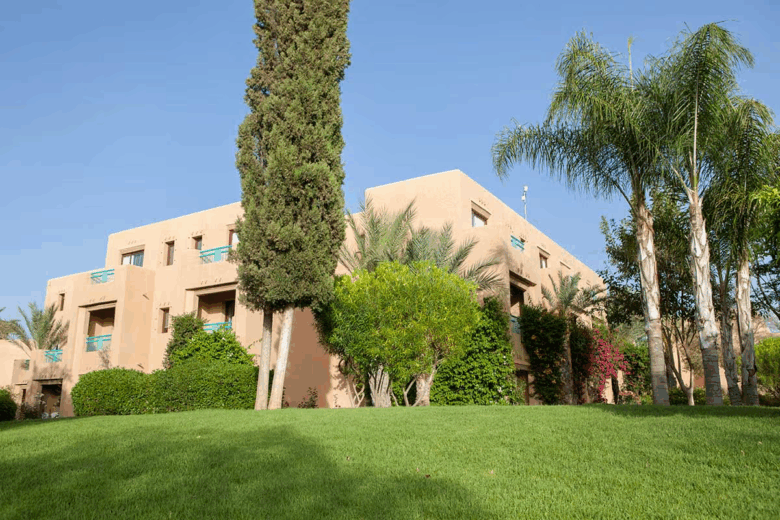
Ready for an all-inclusive escape in the Palmeraie of Marrakech? Book now on Valeria Madina Club Resort all-inclusive and enjoy a relaxing stay with entertainment, comfort and sunshine for the whole family.