Discover the vibrant and diverse culinary landscape of Marrakech, where every meal is an adventure for your taste buds. If you are wondering what to eat Marrakech, start with the dishes that locals share at home, serve during celebrations and enjoy in the busy squares of the old city. Moroccan cuisine is generous, fragrant and deeply rooted in tradition, blending Berber, Arab, Andalusian and Mediterranean influences into recipes that feel both comforting and unforgettable.
What to Eat Marrakech: A Culinary Adventure
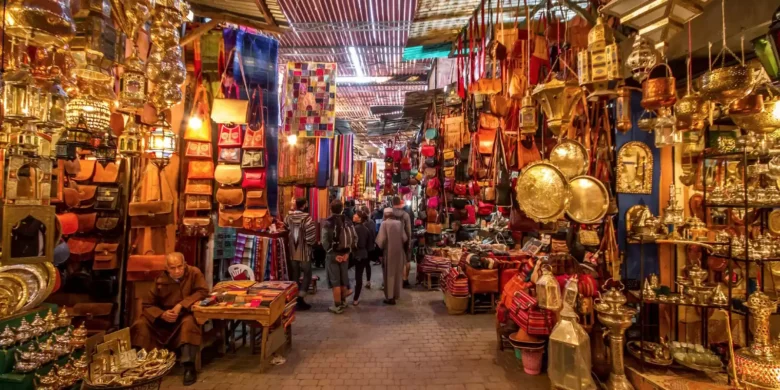
Marrakech is not a city where food is simply eaten; it is experienced. Spices perfume the souks, bread is baked in neighborhood ovens, mint tea is poured with pride, and meals often arrive at the table in colorful clay dishes. The best way to discover the city is to follow its flavors, from slow-cooked classics to quick bites enjoyed on the move.
Tagine: A Symbol of Moroccan Cuisine
Tagine is one of the most iconic Moroccan dishes and a true symbol of local hospitality. It takes its name from the conical clay pot in which it is cooked slowly, allowing meat, vegetables, fruit and spices to become tender and aromatic. In Marrakech, you might taste chicken with preserved lemon and olives, lamb with prunes and almonds, or a vegetable tagine seasoned with cumin, ginger and saffron.
Tagine has been recognized internationally for its unique blend of flavors and cooking technique, but it is best understood in Morocco, served with warm bread for scooping up the sauce. It is rich without being heavy, fragrant without being overpowering, and often the first dish visitors remember long after their trip.
Couscous: More Than Just a Side Dish
Couscous is sometimes treated as a simple side dish abroad, but in Morocco it is a complete and meaningful meal. Traditionally served on Fridays after prayer, it is made with steamed semolina grains, vegetables, chickpeas and meat, often lamb, beef or chicken. A light broth is poured over the dish, bringing everything together.
In Marrakech, couscous is a dish of sharing. Families gather around it, and restaurants often prepare it with care on Fridays. If you want a traditional dish to try in Marrakech, couscous is a beautiful choice because it reflects both everyday comfort and cultural ritual.
Traditional Moroccan Dishes You Must Try
Beyond the famous classics, Marrakech offers dishes that tell stories of family kitchens, festive tables and seasonal traditions. Some are light and warming, while others combine surprising contrasts of texture and taste.
Harira: The Famous Moroccan Soup
Harira is a hearty soup made with tomatoes, lentils, chickpeas, herbs and spices. It is often enriched with small pieces of meat and sometimes thickened with flour or vermicelli. The result is nourishing, aromatic and perfect after a day exploring the medina.
Harira is traditionally consumed during Ramadan, showcasing its importance in Moroccan culture. It is commonly served at sunset to break the fast, often with dates and sweet pastries. Even outside Ramadan, you can find it in local restaurants and simple eateries, especially in the evening.
Pastilla: A Sweet and Savory Delight
Pastilla is one of Morocco’s most elegant dishes. This flaky pie combines crisp pastry with a filling that may include pigeon or chicken, almonds, cinnamon, saffron and eggs. It is finished with powdered sugar and cinnamon, creating a sweet and savory balance that surprises many first-time visitors.
Often served at weddings and special occasions, pastilla is ideal if you want to taste the refined side of Moroccan cuisine. It proves that Marrakech cooking is not only about spices and slow cooking, but also about contrast, precision and celebration.
Street Food Delights in Marrakech
Street food is essential to understanding Marrakech. It is lively, affordable and full of character. The answer to what to eat Marrakech is not limited to restaurant menus; some of the most memorable bites come from stalls, carts and small local shops.
Sfenj: Moroccan Donuts in the Streets
Sfenj are Moroccan donuts, usually eaten warm and fresh. They are made from a simple dough, fried until golden and chewy, then served plain or dusted with sugar. You may see them hanging in rings at small stalls in the morning, ready to be wrapped in paper and enjoyed with mint tea or coffee.
They are simple, inexpensive and satisfying, especially for breakfast or an afternoon snack. Unlike heavily filled pastries, sfenj are all about texture: crisp edges, soft centers and the comfort of fresh dough.
Maakouda: The Moroccan Potato Cake
Maakouda is a popular potato cake made from mashed potato mixed with herbs and spices, then shaped and fried. It is crisp outside, soft inside and often served in bread with sauce, salad or a touch of harissa. It is a favorite quick snack for locals and visitors alike.
If you enjoy savory street food, maakouda is easy to love. It is filling, flavorful and perfect when you want something casual between sightseeing stops. For the best street food in Marrakech, head where the crowds gather and choose stalls with a steady flow of local customers.
Where to Find the Best Local Specialties
Knowing the dishes is only half the experience. The place where you eat them matters too. Marrakech offers everything from atmospheric rooftop restaurants to humble counters where recipes have barely changed for generations.
Jemaa el-Fnaa: A Food Lover’s Paradise
Jemaa el-Fnaa is one of the most famous squares in Morocco, and as evening falls, it transforms into an open-air dining scene. Smoke rises from grills, orange juice stalls glow under the lights, and vendors call out to passersby. Marrakech’s Jemaa el-Fnaa is not only a world heritage site but also a hotspot for authentic Moroccan cuisine.
Here you can try grilled meats, spicy sausages, harira, snails in broth, fresh juices and sweet treats. It is lively and intense, so take your time, compare stalls and follow the aromas that appeal to you most.
Old Medina: Hidden Culinary Gems
The Old Medina is full of hidden culinary gems, from tiny bakeries to family-run restaurants tucked into quiet lanes. This is where you may find excellent tagine, couscous, pastilla and local salads served in a calmer setting than the main square. Exploring slowly often leads to the best discoveries.
For must-try Moroccan desserts, look for chebakia, a sesame pastry flavored with honey and spices; sellou, a nutty sweet often served during celebrations; and almond pastries scented with orange blossom. These sweets pair beautifully with mint tea and offer a final taste of Moroccan hospitality.
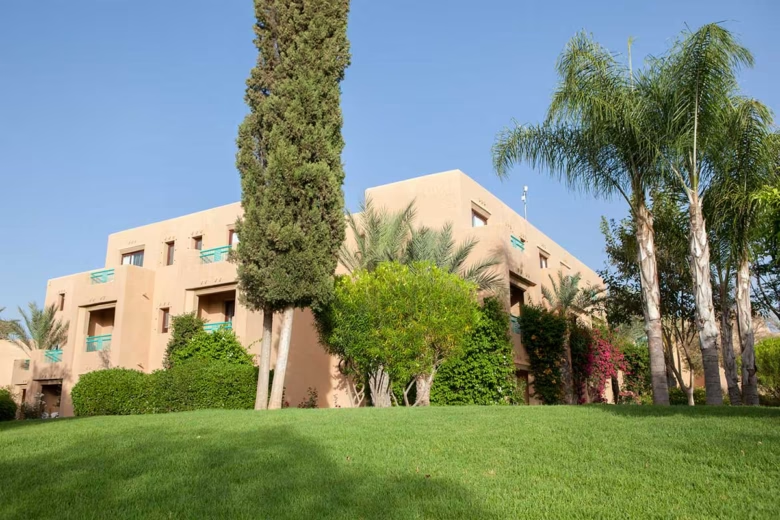
Whether you are staying in the Palmeraie, visiting the souks or planning a food-focused evening in the medina, Marrakech rewards curiosity. Choose traditional dishes, try a street snack, ask locals for recommendations and let the city guide your appetite. Ready for an all-inclusive escape in the Palmeraie of Marrakech? Book now on Valeria Madina Club Resort all-inclusive and enjoy a relaxing stay with entertainment, comfort and sunshine for the whole family.